



For Indian tourists, Bhutan has become one of the easiest foreign travel destinations. The nation offers a remarkable travel experience with adventure opportunities, a relaxing backdrop, valley ardour, and more.
Now, when it comes to planning such a marvellous Himalayan retreat, many questions come to mind. What currency should I carry, and will my UPI or Indian bank cards work in Bhutan?
Well, you don’t need to think a lot when you book your trip with the best Bhutan tour operator. Still, knowing the recent information can save you time, money, and needless concern while traveling. This is simply because payment systems have changed to some extent over the past few years.
What Is Bhutan's Currency?
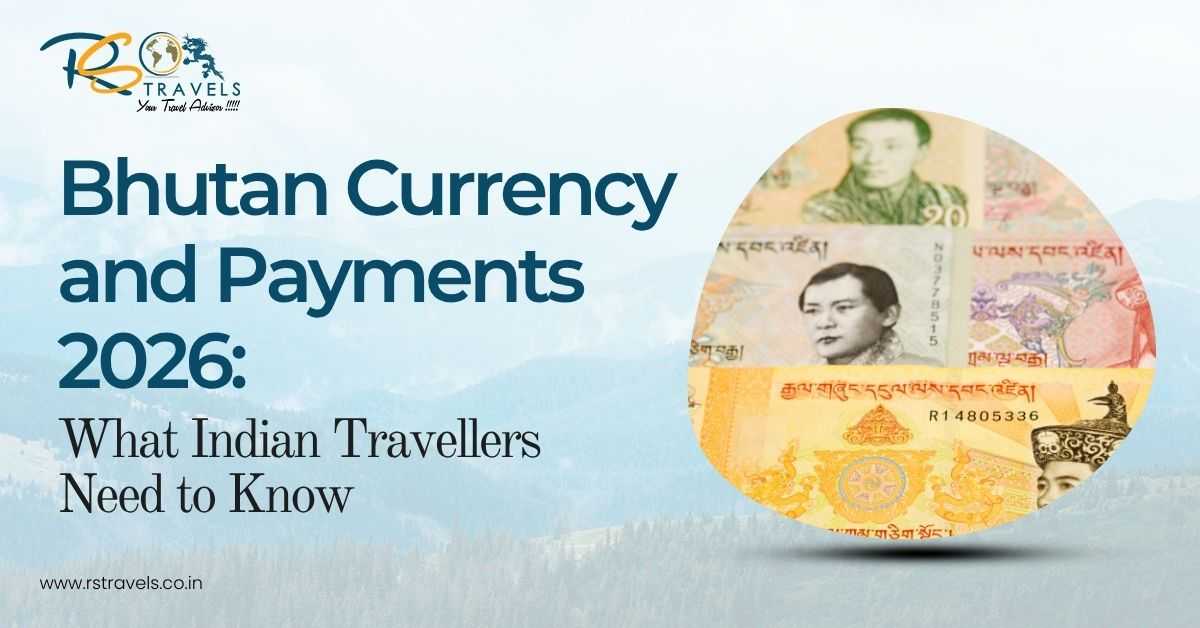
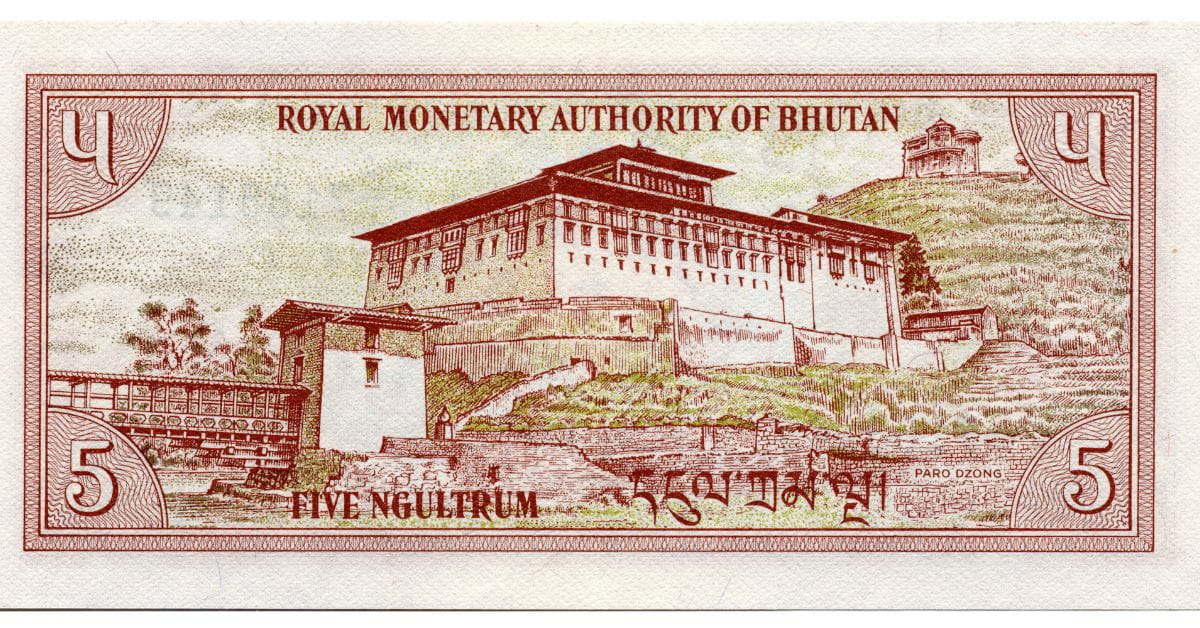
The Bhutanese Ngultrum (BTN) is the country's official currency, and the Royal Monetary Authority of Bhutan issues the Ngultrum (shortened to BTN).
Common denominations are:
Banknotes
- BTN 1
- BTN 5
- BTN 10
- BTN 20
- BTN 50
- BTN 100
- BTN 500
- BTN 1,000
Chhertum (1 Ngultrum = 100 Chhertum)
Fortunately, Bhutan and India have a fairly unique currency system.
Are the Indian Rupee and the Bhutanese Ngultrum equivalent?
The Bhutanese Ngultrum's peg to the Indian Rupee (INR) is one of the main benefits for Indian visitors, for sure.
- One BTN is equal to one INR.
- Budgeting is quite easy because of this set exchange rate.
- In Bhutan, 500 BTN is practically equal to Rs. 500.
Unlike traveling to Nepal, Thailand, Europe, or the US, there is no major fluctuation.
Is it possible for Indians to use Indian Rupees in Bhutan?
In Bhutan, Indian Rupees are widely accepted, and INR can be used in:
- Restaurants and hotels in Bhutan
- Supermarkets
- Fuel stations
- Shops selling souvenirs
- Taxi services
- Regional marketplaces
However, especially in rural areas, some small enterprises or remote places in Bhutan might prefer to be paid in Ngultrum.
Which Indian Rupee Notes You Should Use
The majority of Indian banknotes are accepted, and generally, these could include:
- ₹10
- ₹20
- ₹50
- ₹100
- ₹200
- ₹500
Make sure you keep your notes tidy and undamaged at all times. You should know that it is usual to receive change in Bhutanese Ngultrum, even though many shops take Indian currency.
Is It Possible to Exchange Money in Bhutan?
It is possible; you can get currency exchange services at:
- Banks
- Large cities and airports
- Exchange counters with licenses
When needed, it is simple to convert Indian Rupees into Ngultrum.
ATMs Availability in Bhutan
Major areas in Bhutan have ATMs, such as:
- Punakha
- Thimphu
- Paro Valley
- Phuentsholing
Compatible ATMs usually accept Indian Visa and Mastercard debit cards; Bhutan tour operators will be there to deal with all these.
However, availability may differ based on:
- International transaction settings
- ATM network connectivity
Relying solely on ATMs is not a good idea if you are planning for an international trip, whether in Bhutan. So, bring a good amount of cash as your tour operator suggests, particularly if you intend to travel to isolated areas.
Is it possible to use Indian debit cards in Bhutan?
A lot of Indian debit cards are accepted, and cards from:
- Visa, Mastercard, and RuPay (some locations accepted)
These may be used at larger restaurants, shops, and hotels, but before you travel:
If necessary, raise the transaction limitations
- Enable international usage
- If required, let your bank know
There are still some rural businesses that only accept cash in Bhutan.
Is It Possible to Use Indian Credit Cards?
Bhutan travel agencies, upscale dining places, and large hotels typically accept:
- Visa and Mastercard
Nevertheless, card acceptance may be restricted outside of tourist destinations in Bhutan, so wise to have a backup method of payment on hand.
Does Bhutan Offer UPI?
Here, one of the first nations outside of India to accept the Unified Payments Interface (UPI) for Indian tourists is Bhutan; thus, traveling has become much simpler as a result.
Nowadays, a lot of businesses accept QR code payments made through Indian UPI apps, and popular apps are:
- Paytm
- PhonePe
- BHIM
- Google Pay
Travelers may just scan and pay instead of bringing a lot of cash, but always check that these apps are available or working before you rely on online payment heavily.
Where Can You Use UPI in Bhutan?
In Bhutan, UPI is becoming more widely used at:
- Hotels
- Restaurants and Cafés
- Supermarkets
- Shops selling souvenirs
- Tourist attractions
- Fuel stations
- Retail shops
Every year, UPI acceptance keeps growing here. However, have some cash on hand as a backup because digital payments can occasionally be impacted due to several reasons. These include network problems, merchant restrictions, et al.
Do Mobile Wallets Work?
UPI integration is the main way used by Indian mobile wallets. The fact is that balances in standalone wallets are typically not usable unless they are linked to an active Indian bank account.
Make sure:
- Internet access
- Active mobile banking
- Updated UPI application
Does Cash Still Matter?
Of course they do matter; cash is still useful even if Bhutan has adopted digital payments. If you plan to travel, you should bring cash:
Places:
- Haa Valley
- Bumthang
- Villages in rural areas
- Regional marketplaces
- Remote or local tea cafes
- Trekking
Due to their poor digital infrastructure, several small enterprises prefer to pay with cash.
How Much Cash Travelers Should Carry
Your mode of transportation determines how much cash you should carry on your Bhutan tour from India.
An approximation for a single traveler:
- Travelers on a tight budget: INR 2,500–INR 4,000 in cash
- Travelers in the midrange: INR 5,000–INR 10,000
A reliable guide you will get from your Bhutan tour operator.
Common Travel Expenses You Must Know
The approximate expenses include:
- Coffee or tea:
BTN 50–150
- Local dish:
BTN 200–500
- Dinner at a restaurant:
BTN 500–1,500
- Taking a taxi:
BTN 200–800
- Ticket to the museum:
BTN 300–1,000 or more
Hotel:
- Depending on the category, BTN 2,500–15,000+.
Location and season have an impact on these prices on your Bhutan trip.
Is It Possible to Pay the Sustainable Development Fee (SDF) Online?
Subject to the recent government regulations and exemptions, Indian visitors to Bhutan have to pay the relevant Sustainable Development Fee (SDF).
When making a reservation, the majority of tour providers incorporate this cost (SDF INR 1200 per night per head).
Online payment methods are widely accessible, and before departure, always confirm payment details with your Bhutan travel agency.
Is There Any Need for Foreign Exchange Cards?
No. Bhutan does not require Indian visitors to bring prepaid foreign exchange cards, in contrast to many other international locations in the world.
Due to the widespread acceptance of Indian Rupees and the fact that UPI is compatible with many places, most Indian visitors can easily use:
- UPI debit cards and INR cash
- Credit cards
Because of this, Bhutan is among the most convenient international travel destinations for Indians, whether by road or air.
Budgeting Tips for Indian Travellers
To prevent payment problems while visiting Bhutan, here are a few things you need to do:
- Keep both cash and electronic payment methods on hand.
- Keep small denomination notes close at hand.
- Don't depend just on one way to make payments.
- Give your cards the ability to transact internationally.
- To make UPI payments, keep your phone fully charged.
- In the event of bad connectivity, download maps offline.
- If OTP verification is necessary, let family members know before you leave.
- Keep emergency funds out of your wallet.
So, find out what your bank charges for foreign transactions.
Safety Advice for Managing Cash on Your Bhutan Trip
Bhutan is regarded as one of Asia's safest nations; however, it is always advised to take simple measures on your upcoming trip.
- Avoid carrying too much cash.
- When hotel or resort safes are available, use them.
- Regularly keep an eye on card transactions.
- Do not share your OTPs or UPI PINs.
- For banking, make use of secure internet/ online connections (only).
There’s no doubt, a smooth travel experience comes from putting these habits into practice.
Many times, combining several payment options may serve the best. You should keep a debit or credit card on hand as a backup, and utilize UPI if it's convenient.
Also, do not forget to carry some Indian Rupees or Ngultrum for smaller purchases. Whether you're visiting the busy streets of Thimphu, taking in the cafés of Paro, or touring the tranquil valleys and temples that make Bhutan such an amazing location, this approach will be of great help.
Final Words
No doubt, when it comes to currency and payment management, Bhutan is one of the most practical foreign travel destinations for Indian tourists. In 2026, managing payments is easier because of great value of the Bhutanese Ngultrum and the Indian Rupee, broad use of INR, expanding UPI infrastructure, rising card acceptance, et al.
Explore the best of travel and enjoy ease of payment on your trip when you have the best Bhutan tour operator like RS Travels.
FAQs
1. Can Indians utilize Indian Rupees in Bhutan on Their Trip?
Yes, Indian tourists can explore with ease since Indian Rupees are widely accepted across Bhutan.
2. What is the INR to BTN exchange rate?
The INR is the benchmark for the Bhutanese Ngultrum; here, one BTN is equivalent to one INR.
3. Does Bhutan have access to UPI?
Indeed, and nowadays, a lot of Bhutan travel companies use compatible apps to take UPI payments from Indian bank accounts, so you can use there.
4. Do I need to bring cash?
You should bring cash. Cash is still useful in tiny businesses and rural locations in Bhutan, despite the popularity of digital/ online payments.
5. Can I withdraw money from ATMs on my Bhutan Trip?
You can withdrawal as major towns in Bhutan have ATMs, but it's a good idea to have extra cash on hand on your trip.
6. Are credit cards accepted in hotels?
While smaller guesthouses might prefer cash, many hotels in Bhutan in popular tourist areas take Visa and Mastercard; your Bhutan travel guide will look after this.